
Hair Transplant in Aurangabad
Restore Your Hair. Regain Your Confidence.
Overcome receding hairlines and bald patches with expert surgical hair restoration at the Plastic Surgery & Hand Surgery Superspeciality Clinic in Aurangabad. During a hair transplant, healthy hair follicles are taken from a donor area and carefully relocated to thinning spots. The goal is to seamlessly restore a natural-looking hairline and improve density.
We carefully transfer healthy follicles to thinning areas for seamless density.
Dr. Mayur Goklani customizes every treatment plan to match your scalp condition and personal expectations.

Dr. Mayur Goklani
Dr. Mayur Goklani is a board-certified plastic surgeon with qualifications in MBBS, DNB General Surgery and DNB Plastic Surgery from Bombay Hospital. He has also completed fellowship training in Hand, Brachial Plexus and Peripheral Nerve Surgery in Brazil.
His broader surgical interests include cosmetic surgery, burns management, hand surgery and cancer reconstruction. His plastic-surgery training supports a careful approach to tissue handling, aesthetic balance and surgical planning—important considerations in hair restoration.
Every patient has a different hair-loss pattern. The treatment plan should therefore be developed after a proper examination rather than being based only on the number of grafts advertised.
What Your Consultation Covers
Your consultation is an important first step in planning safe, personalised, and natural-looking hair restoration. It includes:
Understanding your hair-loss history
The doctor may discuss when your hair loss began, whether it is progressing, family history, previous treatments, medical conditions and current medicines.
Examination of the scalp & donor area
The hairline, crown, scalp health, hair density and donor-area quality are assessed. The pattern and possible cause of hair loss are also considered.
Discussion of treatment options
Depending on your assessment, options may include medical treatment, observation, hair transplantation or a combination of approaches.
Personalised treatment planning
The doctor will explain the proposed technique, expected improvement, number of sessions if required, recovery, limitations and possible risks.
Clear answers to your questions
You should leave the consultation understanding what the procedure can and cannot achieve. A second consultation can be arranged if you need more time before making a decision.
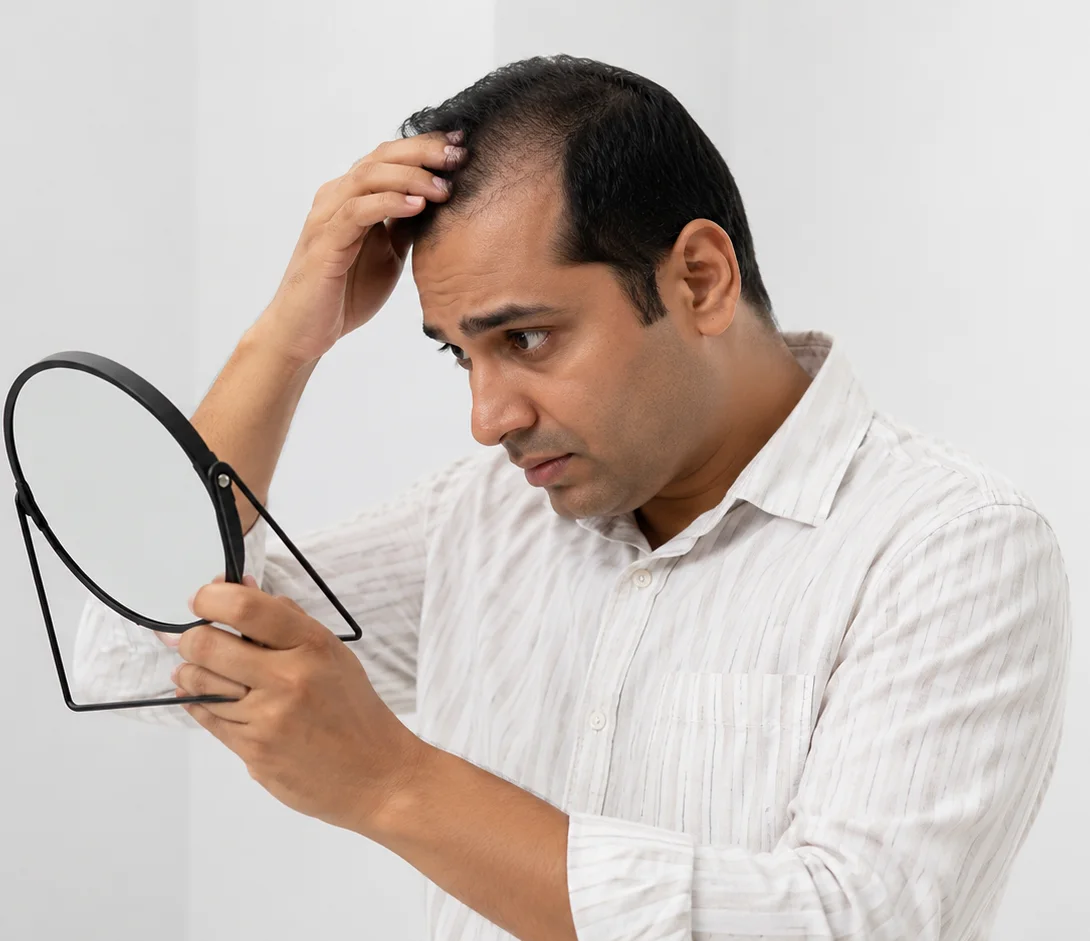
Who May Consider a Hair Transplant?
Hair transplantation may be considered by men and women experiencing:
Techniques
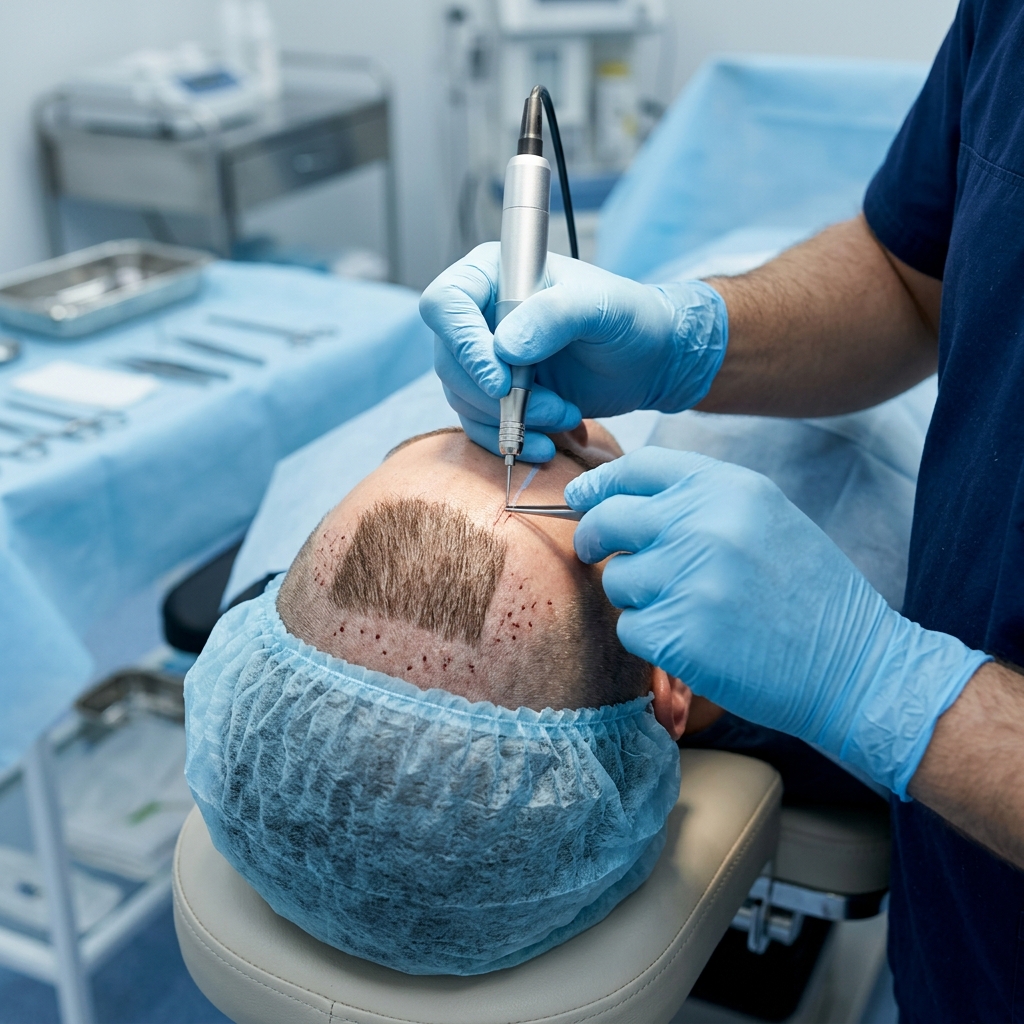
FUE Hair Transplant
Follicular Unit Extraction, or FUE, involves removing individual follicular units from the donor area and placing them into the thinning or bald regions. It does not involve removing a long strip of scalp.
FUE may be suitable when individual follicle extraction is appropriate, but the final decision depends on the patient’s scalp, hair characteristics and donor supply.
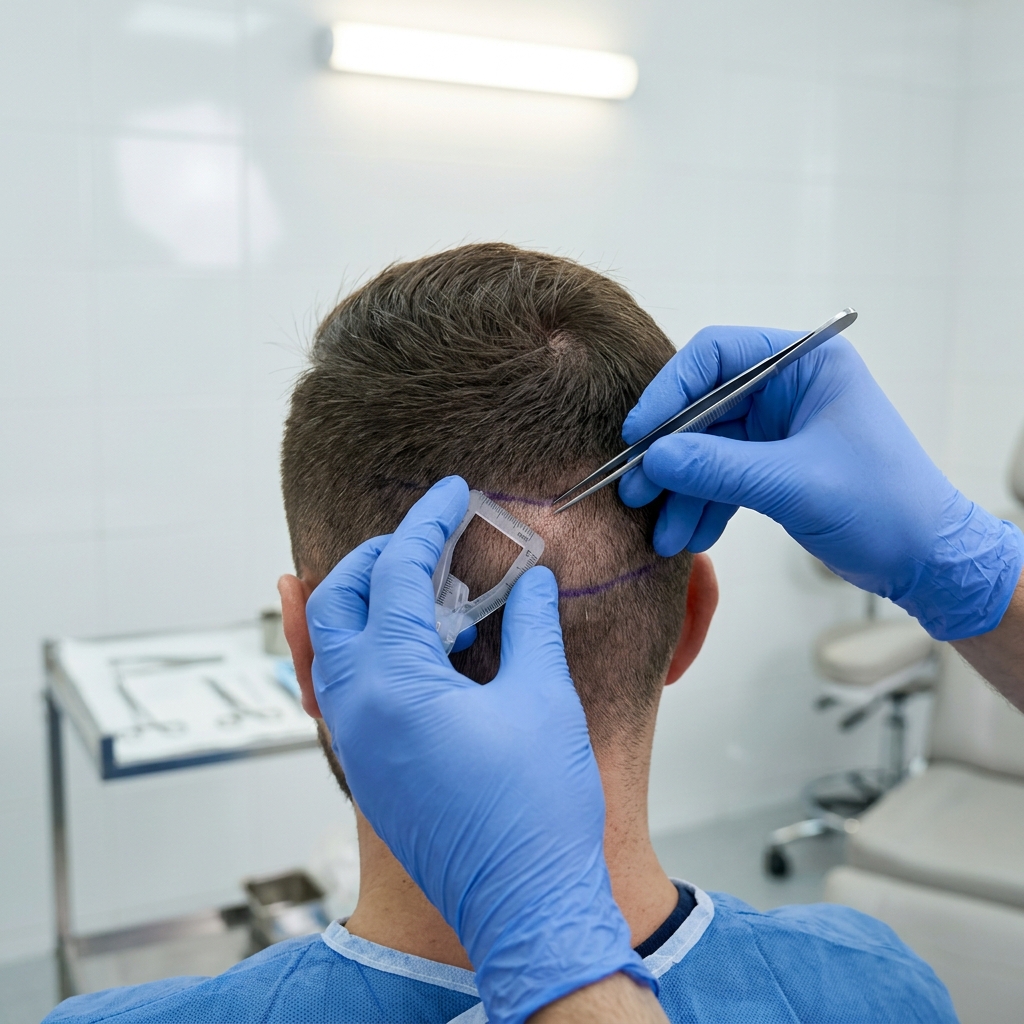
FUT Hair Transplant
Follicular Unit Transplantation, or FUT, involves removing a narrow strip of skin containing hair follicles from the donor area. The strip is divided into individual grafts, which are then transplanted to the recipient area.
The choice between FUE, FUT or another approach should be made after examination by the surgeon.
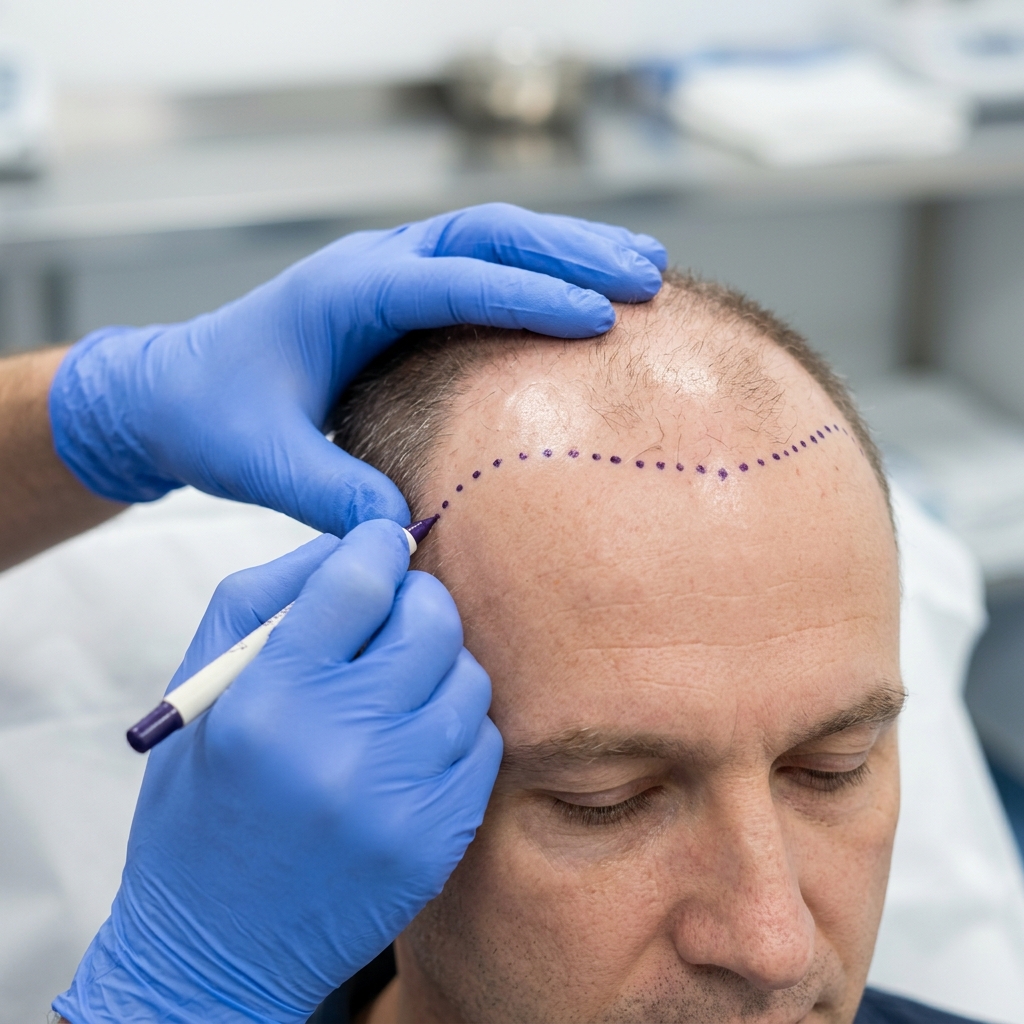
Hairline Reconstruction
The hairline is planned according to facial proportions, age, existing hair direction and the expected progression of hair loss. A natural hairline should not look artificially straight or overly dense.
Designed with plastic surgical principles to ensure enduring, age-appropriate aesthetic harmony.
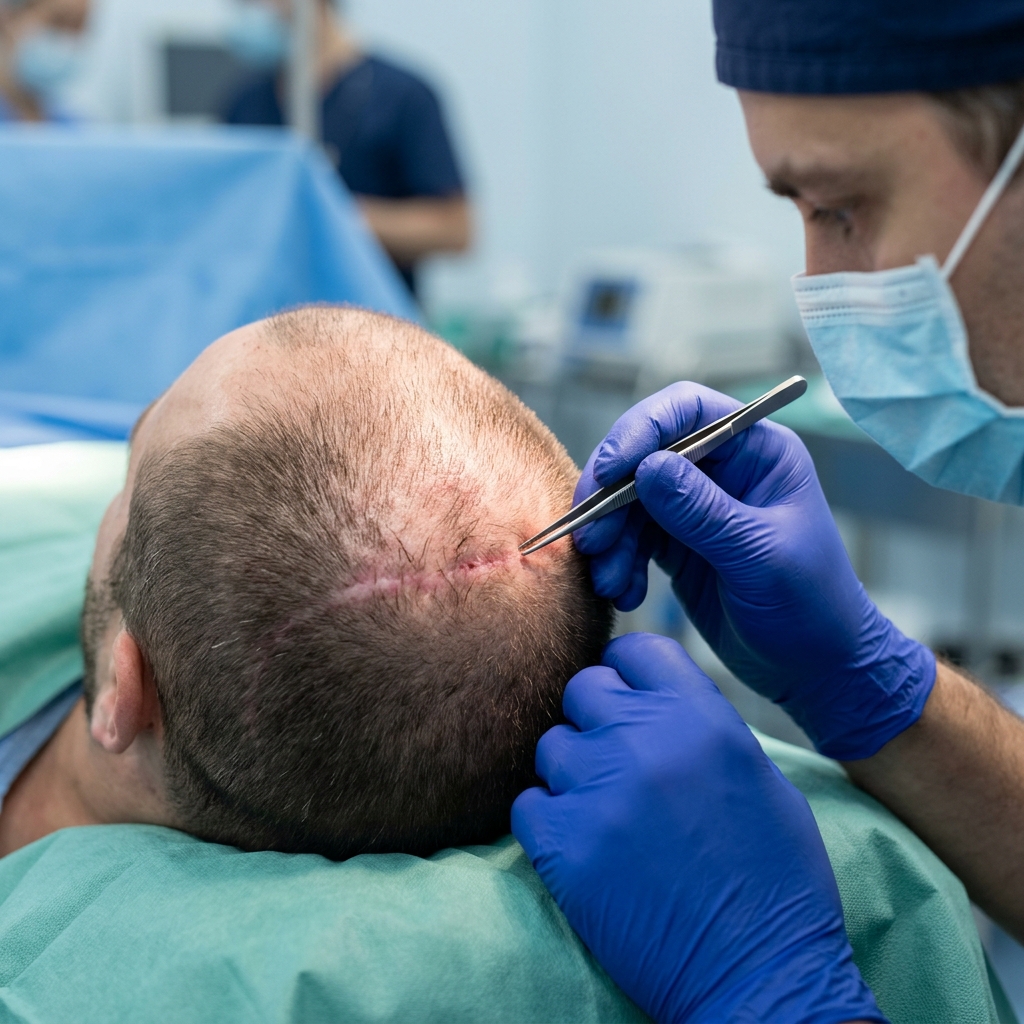
Corrective or Scar Hair Restoration
Hair transplantation may sometimes be considered for selected scars caused by injury, burns or previous surgery. Suitability depends on scar quality, blood supply and available donor hair.
Supported by Dr. Goklani's extensive training in burns management and reconstructive surgery.
A Clear, Three-Step Hair Transplant Journey
Step 1: Assessment
and planning
You meet the surgeon for a scalp and donor-area evaluation. Your hair-loss pattern, goals and treatment options are discussed.
Step 2: Hair transplant
procedure
On the scheduled day, the donor follicles are carefully harvested and prepared. The recipient sites are planned to follow the natural direction and angle of your existing hair. The grafts are then placed in the selected areas.
Step 3: Recovery and
follow-up
You receive instructions for scalp care, medicines, washing, activity and follow-up. The transplanted hair may shed temporarily before new growth begins. Hair growth takes time, and the final outcome should be assessed only after adequate healing and follow-up.
What Results
Can You Expect?

Hair transplantation aims to improve the appearance of thinning or bald areas using your own hair follicles. Results vary according to:
A hair transplant cannot stop every future cause of hair loss. In some patients, medical treatment may be recommended to help preserve existing hair.
The goal is improvement—not an unrealistic promise of identical density to your teenage years.Hair Transplant
Recovery
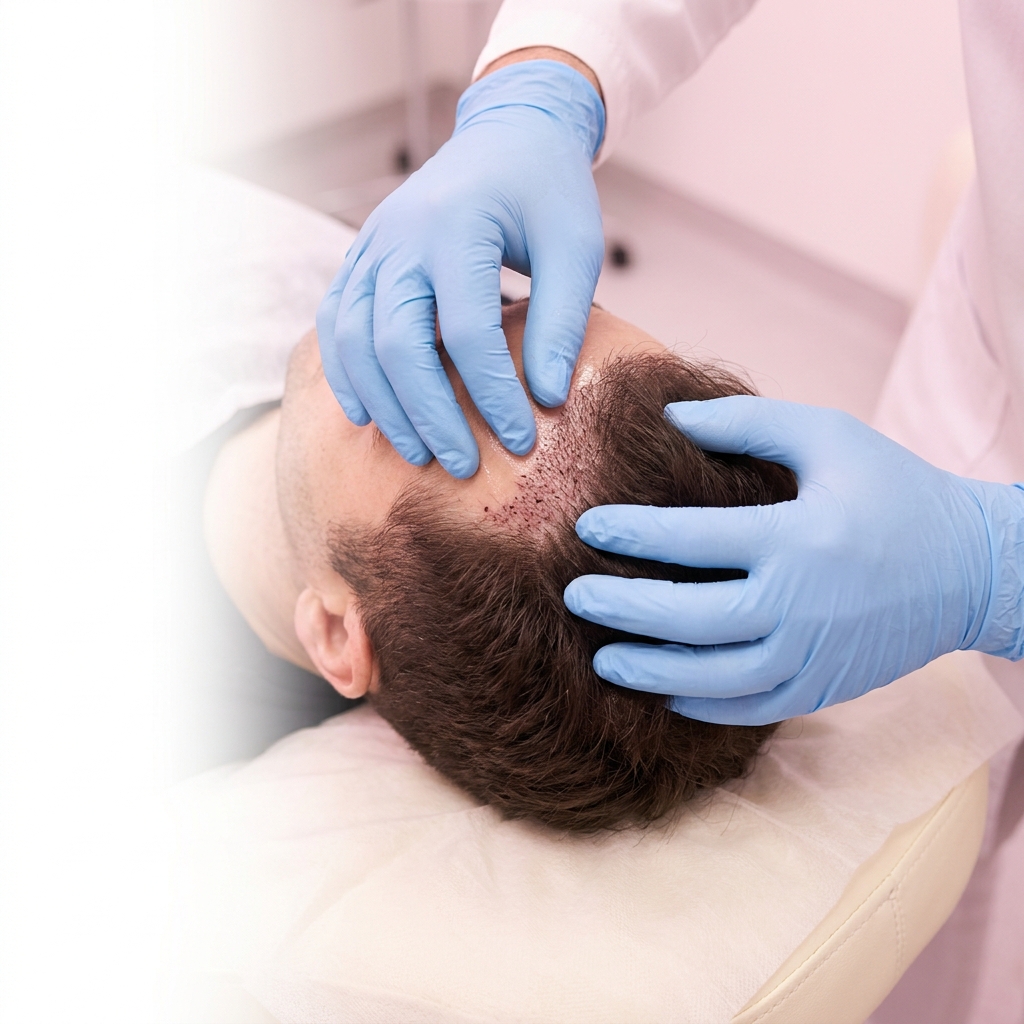
After the procedure, you may experience temporary redness, swelling, tightness, crusting or mild discomfort. These effects generally settle during the healing period, but recovery differs from person to person.
Do not scratch, rub or pick the treated area. Contact the clinic if you develop increasing pain, excessive swelling, fever, discharge or any other concerning symptom.
Frequently Asked Questions
Transplanted follicles are generally selected from areas more resistant to pattern hair loss, but the long-term outcome varies. Existing non-transplanted hair may continue to thin.
The procedure is performed with anaesthesia. Some discomfort, tightness or sensitivity may occur during recovery. Your doctor will explain pain-control measures.
Hair growth is gradual. Some transplanted hair may shed temporarily, and visible improvement develops over several months. The timeline differs between patients.
Yes, selected women with suitable hair-loss patterns and adequate donor hair may be considered after evaluation.
Some patients achieve their planned improvement in one session, while others may require staged treatment. This depends on the area involved, donor supply and treatment goals.
It may be possible in selected cases. Scar quality, blood supply and donor-hair availability must be assessed first.
No. A detailed examination is necessary to determine whether transplantation is appropriate or whether medical treatment should be tried first.
Dr. Mayur Goklani?
Qualified plastic surgeon
Personalised scalp and donor-area assessment
Treatment planning based on facial proportions and hair pattern
Clear explanation of options, limitations and recovery
Follow-up guidance after the procedure
Clinic located on Jalna Road, Aurangabad
Take the First Step Towards Hair Restoration
If hair loss is affecting your confidence, schedule a consultation with Dr. Mayur Goklani. A proper evaluation can help you understand the cause of hair loss and whether hair transplantation is the right option for you.

 Call us
 WhatsApp